
OnlyFans gives subscribers no search feed, so locating a $0 page from inside the site is nearly impossible. This guide maps the discovery channels subscribers actually use, from ranking directories to cross-platform bios, and shows how to confirm a free page is genuine before you follow it. BestOnlyFans exists as a ranking reference for exactly this problem, but it is not the only route available. BestOnlyFans refreshes its rankings every month.
There is no category tree, no tag system, and no recommendation carousel that surfaces creators to strangers.
That design choice has one clear consequence: every free page you find was shared somewhere else first. A link in a bio, a post in a forum thread, a line in a newsletter — each route has its own reliability level and its own verification cost.
Zero-Cost Discovery Channels Outside Platform Search
Subscribers who follow many $0 pages tend to combine several channels instead of trusting one. The overlap is what makes verification possible: a handle that appears in three independent places is far easier to trust than a single anonymous link.
These are the routes that carry most of the traffic in practice.
- Ranking directories — sites that list pages by category and price band, including $0 entries.
- Community threads — forums and subreddit-style boards where users post and discuss links.
- Cross-platform bios — TikTok, X, and Instagram profiles that link to an official page.
- Newsletter lists — email digests that round up free pages on a fixed schedule.
- Creator link hubs — personal landing pages collecting all of one creator’s official links.
Each channel answers a slightly different question. Directories answer what exists, communities answer what is active right now, and cross-platform bios answer whether an account is the real one.
Why OnlyFans Has No Native Free-Page Directory
The platform earns a 20% fee on subscriptions, tips, and pay-per-view unlocks, while the creator keeps 80%. That model works best when creators bring their own audience rather than competing for placement in a shared feed.
Without a directory, there is also no ranking algorithm to argue with and no category policy to enforce.
For subscribers this cuts both ways. There is no filter to browse, but there is also no gatekeeping layer deciding which free pages you are allowed to see.
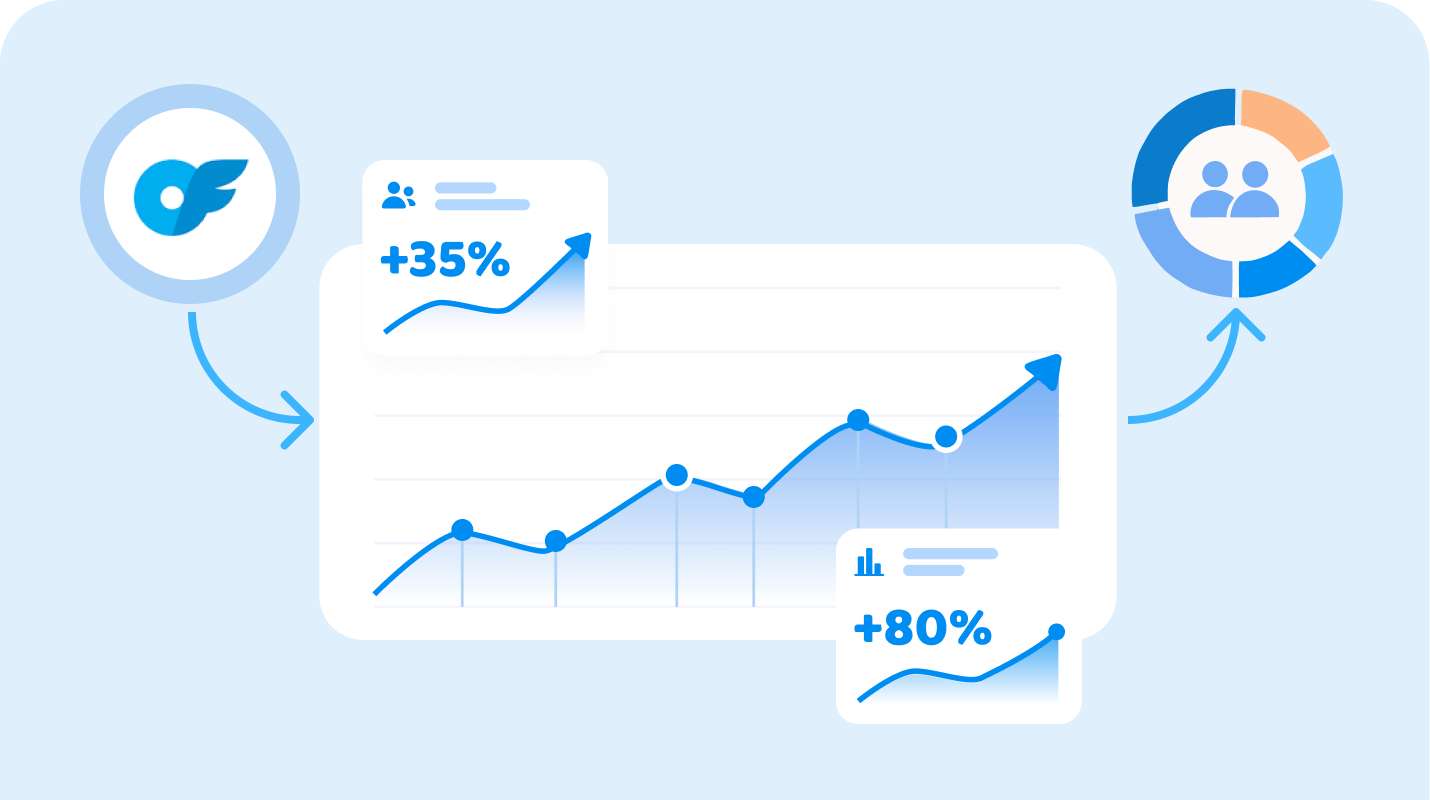
Tip: Treat every discovery source as a starting point, not a verdict. No directory, thread, or bio can guarantee a page is still free today — only the page itself shows that.
As the subscriber base expanded, so did the number of sites trying to organize it.
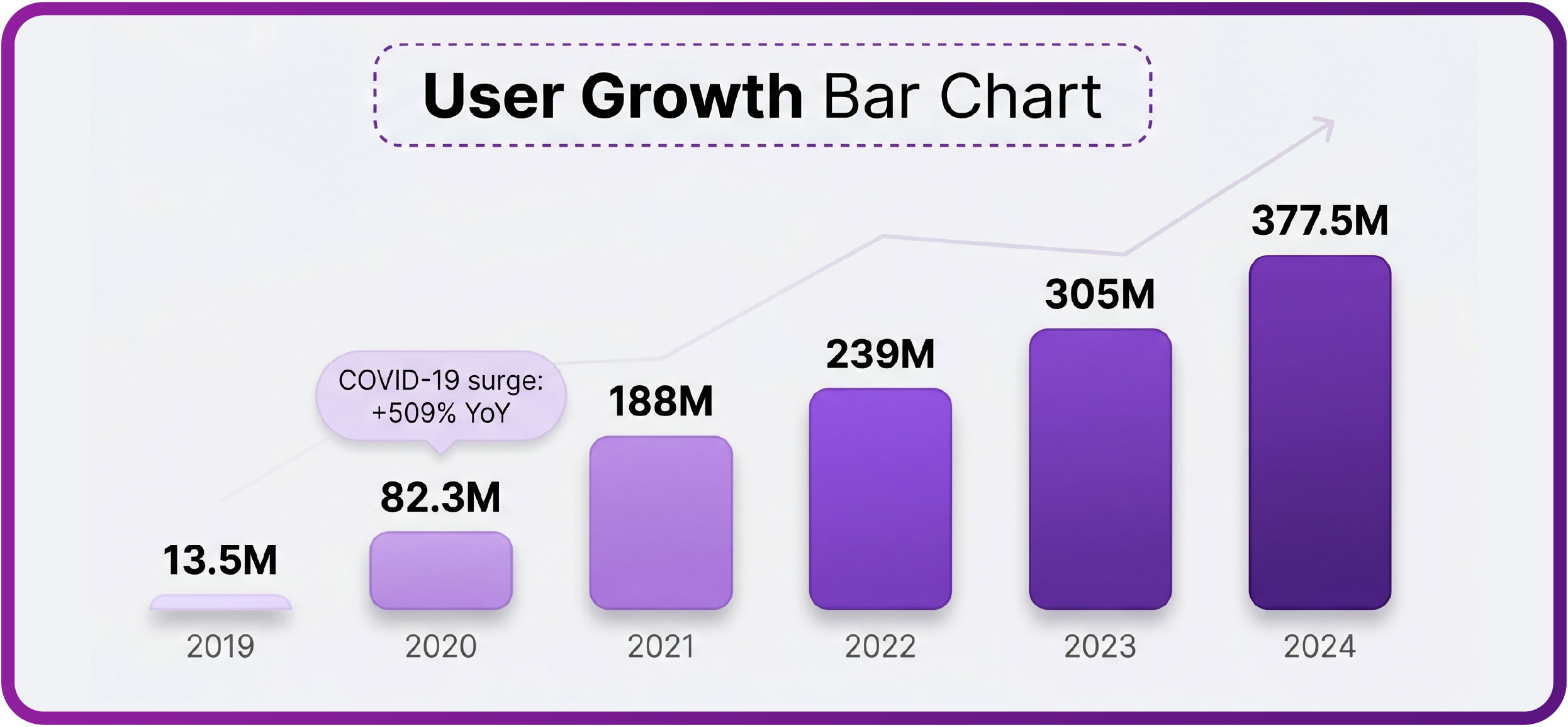
Growth in users and creators did not come with a matching growth in official navigation tools, which left a gap for outside sites to fill.
Ranking Sites and How They Categorize $0 Pages
The price band matters most for a $0 search, because promotional pricing and free pages are not the same thing.
Paid base subscriptions run from $4.99 to $49.99, with most sitting between $4.99 and $15. A credible directory keeps those cases separate. BestOnlyFans, for instance, presents price bands as a screening tool and flags promotional pricing separately from genuine $0 pages.
| Channel Type | Reliability | Verification Effort |
|---|---|---|
| Ranking directory | Medium — depends on update frequency | Moderate: confirm the page still matches its listing |
| Community thread | Variable — depends on moderation | High: check the poster, the date, and the link target |
| Cross-platform bio | High — if the handle matches everywhere | Low: compare handles across two or more platforms |
A $0 page has no subscription income, so it relies on pay-per-view messages and tips. Pay-per-view unlocks can reach $50, and paid chat commonly runs $3 to $5 per message. That is not a warning sign by itself — it is simply how a free page sustains itself.
Community Threads and Creator-Run Link Lists
A well-moderated thread removes dead links and copied profiles; an unmoderated one becomes a redirect farm.
The most reliable threads share one trait: the poster is identifiable and has a history on the board. When the same account posts links repeatedly and answers questions about them, that pattern is worth more than any single recommendation.
Before following anything shared in a thread, check these three things.
- Whether the poster is the creator or an unrelated third party.
- Whether the thread is actively moderated and dead links get removed.
- Whether the shared links are current, not archived from an older discussion.
Creator-run link lists are a different case. When a creator maintains a personal landing page that collects their own official links, that hub is usually more reliable than any third-party list, because the creator controls it directly.
Phishing and impersonation are common wherever links are shared freely, so checking the destination domain before you log in is basic hygiene. Wider guidance on phishing scams applies to subscription links just as much as to email.
Cross-Platform Signals on TikTok, X, and Instagram
Cross-platform bios carry the strongest signal available, because they are the hardest to fake convincingly. A creator who links a free page from TikTok, X, and Instagram has effectively confirmed the same handle in three places.
Confirmation is a comparison exercise.
Timing matters too. A creator who posted a link recently and keeps posting about it is more likely to be active than one whose last mention is years old.
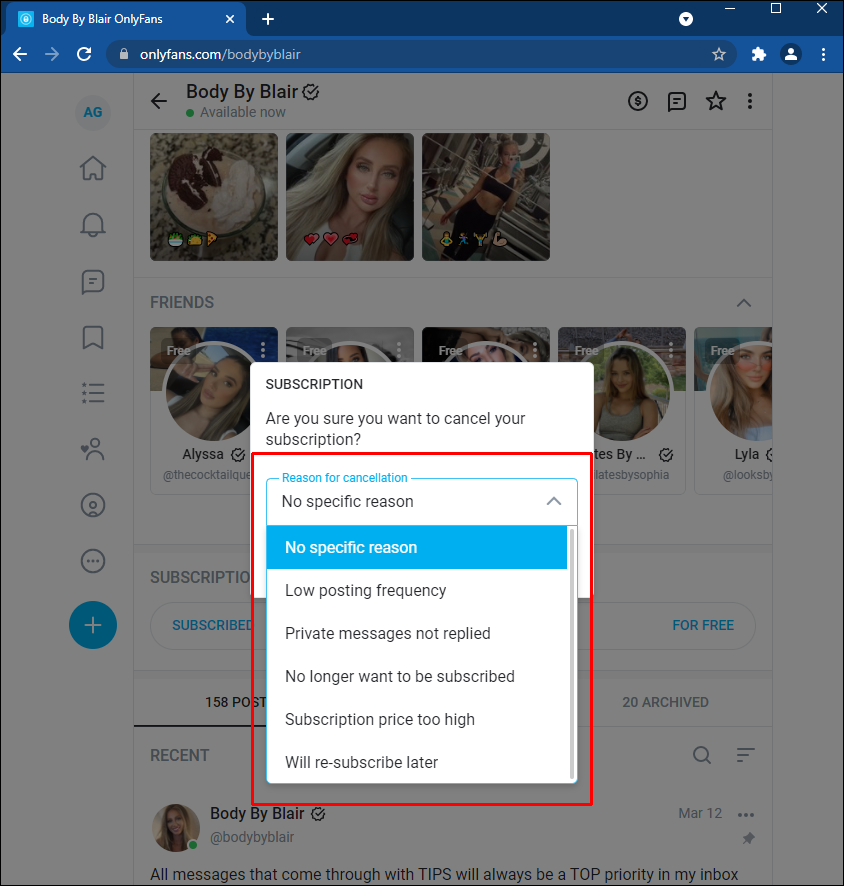
One practical detail is worth knowing before you subscribe to anything: when a creator raises their base price, auto-renew stops for existing subscribers. Access continues until the paid period ends, then the subscription lapses unless you renew at the new price.
Verifying a Free Page Before You Follow
Five checks take a few minutes and remove most of the risk from an unfamiliar link.
- Confirm the handle matches across at least one other platform.
- Scan for recent posts — a feed that stops months ago is likely dormant.
- Check how much of the feed is pay-per-view, since a heavily gated feed changes what “free” actually means.
- Note the join date — very new accounts with heavy promotion deserve extra caution.
- Confirm the page is still set to $0 at the point of subscribing, not just in the listing.
Directories and threads go stale, and a page listed as free last month may have moved to a paid base since.
A card verification hold of $0.10 sometimes appears when you first add payment details. It is not a subscription charge, and it does not mean the page is paid.
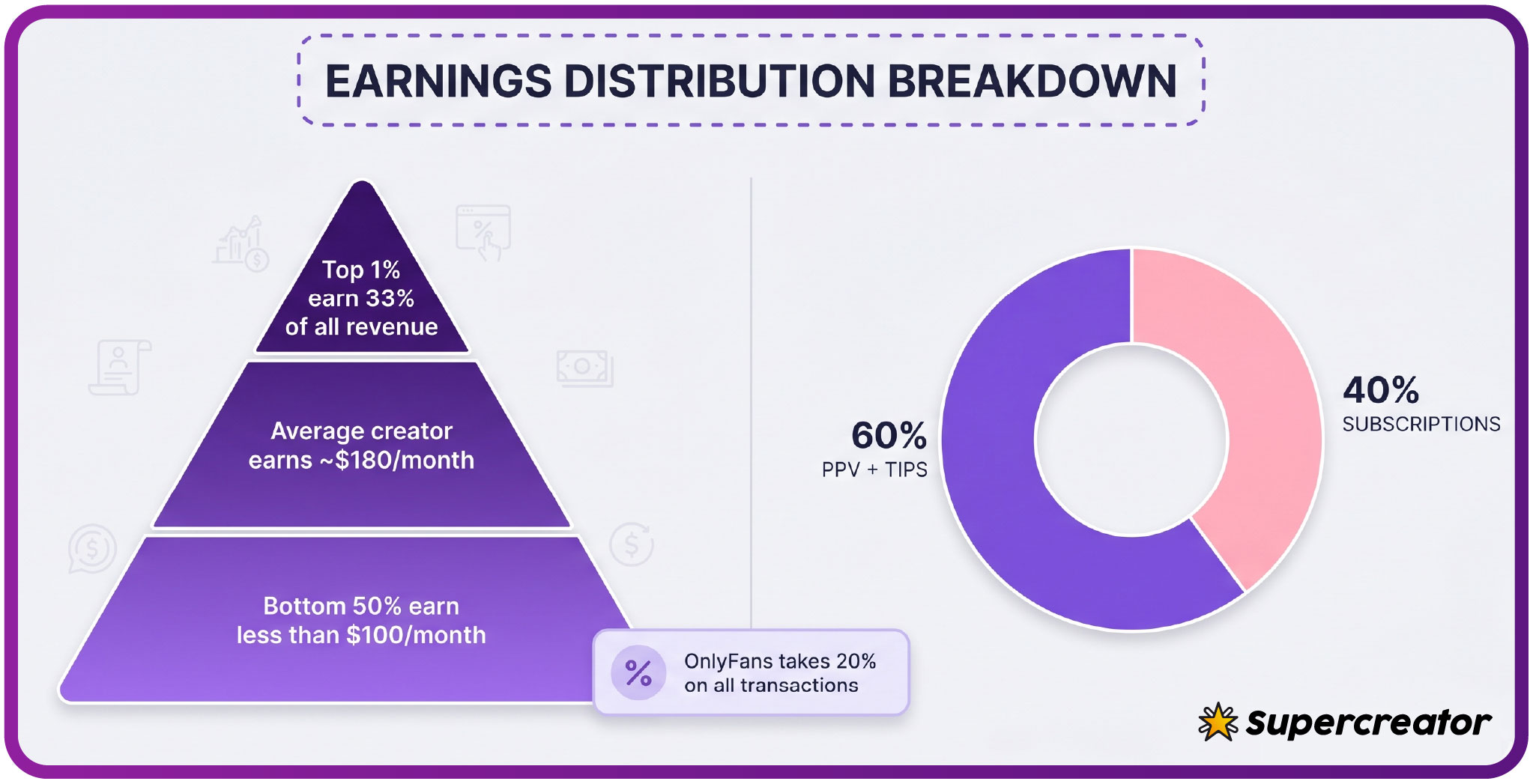
Understanding the earnings split helps set expectations. A $0 page earns only from pay-per-view and tips, so the feed usually mixes free posts with paid unlocks rather than posting everything openly.
Red Flags in External Discovery
Recognizing them saves time and avoids the more serious risk of handing payment details to the wrong site.
| Red Flag | What It Usually Means | Suggested Action |
|---|---|---|
| Handle differs slightly from other platforms | Copied or impersonating profile | Do not subscribe; verify against the original handle |
| Link redirects to an unrelated domain | Affiliate funnel or credential harvesting page | Close it and find the page through an official bio instead |
| Requests payment outside the platform | No buyer protection and no refund route | Decline; legitimate activity stays on-platform |
| Sudden pivot from free to paid-only | Promotional phase ended or ownership changed | Check the current base price before renewing |
Copied bios are the most common problem, because they are cheap to produce and convincing at a glance.
- Mismatched handles between platforms.
- Redirects to unrelated domains.
- Payment requests outside the platform.
- Abrupt paid-only pivots with no explanation.
Off-platform payment requests deserve special emphasis. Subscriptions, tips, and unlocks all run through the platform, which is what gives you a record and a dispute route. Once a payment leaves that system, recovery options shrink sharply — the same reason chargeback protections exist for card payments made through normal channels.
None of this requires technical skill. It requires slowing down for thirty seconds before entering card details on an unfamiliar page.
Building a Personal Shortlist Without a Feed
With no built-in feed to save pages into, a shortlist has to live somewhere you control. A simple notes file or bookmark folder is enough, as long as it records the handle and the date you last checked the page.
- Save verified links with the handle and the platform where you confirmed it.
- Note the posting cadence so you can spot when a page goes quiet.
- Revisit monthly and confirm the page is still free.
- Remove inactive pages rather than letting dead links accumulate.
- Avoid duplicates — the same creator often appears under several directory listings.
Free pages change price, change focus, or stop posting, and a list that is never pruned becomes misleading.
If you search for free pages in regions with heavy promotional activity, the same checks apply wherever the link came from — the onlyfans free malta listings that circulate in some communities are no different from any other directory entry and still need verification against the official profile.
Two-factor authentication on your own account limits the damage if a credential is captured elsewhere, and it is worth enabling before you start following unfamiliar links.

None of the free discovery channels give you platform-level guarantees, so the shortlist is really a record of your own checks. Keep it honest and it stays useful.
FAQ
Why doesn’t OnlyFans show a searchable list of free pages?
It takes a 20% fee on subscriptions, tips, and unlocks, and creators are expected to bring their own audience. Without a directory, there is no ranking system to maintain and no category policy to enforce, which is why discovery moved off-platform.
Are ranking sites the only way to find $0 subscriptions?
No. Ranking directories are one channel among several, alongside community threads, cross-platform bios, newsletters, and creator-run link hubs. Directories are convenient for filtering by price band, but they go stale, so a second source is always worth checking before you subscribe.
How can I tell if a free page link is the official one?
Near-matches with one extra character or a swapped letter are the most common impersonation pattern, and they are the main reason to verify before entering card details.
Do free pages sometimes convert to paid without notice?
A page can move from a $0 base price to a paid one, but existing subscribers are protected when the price rises: auto-renew stops and access continues until the paid period ends. Promotional first months, such as $3, are separate from base pricing, and paid base subscriptions never start below $4.99.